
Protecting a vehicle properly requires more than a single upgrade. Heat, UV exposure, road debris, and everyday wear affect different parts of a car in different ways. Window tint and paint protection film solve separate problems, but when combined they create a complete protection system that helps preserve appearance, comfort, and long term value.
Karzilla works with vehicle owners who want protection that goes beyond cosmetics. Pairing window tint with paint protection film is one of the most effective ways to protect both the interior and exterior of a vehicle from avoidable damage.
What Window Tint Protects and What It Does Not
Window tint is designed to manage heat and UV exposure inside the vehicle. High quality tint helps reduce interior temperatures, limits glare, and blocks ultraviolet rays that cause fading and material breakdown.
Key benefits of window tint include:
- Reduced heat buildup inside the cabin
- UV protection for seats, dashboards, and trim
- Slower fading and cracking of interior materials
- Improved driving comfort and visibility
Tint is especially effective for protecting leather, plastics, and electronic displays. However, it does not provide any physical protection to exterior paint. Rock chips, scratches, and road debris still impact exposed body panels.
What Paint Protection Film Covers and Its Limitations
Paint protection film, often referred to as PPF, is designed to protect exterior surfaces from physical damage. Applied to high impact areas, it absorbs and disperses energy from debris before it reaches the paint.
PPF protects against:
- Rock chips and gravel impact
- Light scratches and swirl marks
- Road salt and environmental contaminants
- Wear on high contact areas like bumpers and hoods
Many modern films feature self healing properties that allow minor scratches to disappear with heat. PPF does not reduce interior heat or UV exposure, which means it cannot prevent dashboard fading or interior material damage on its own.
Why Window Tint and PPF Work Better Together
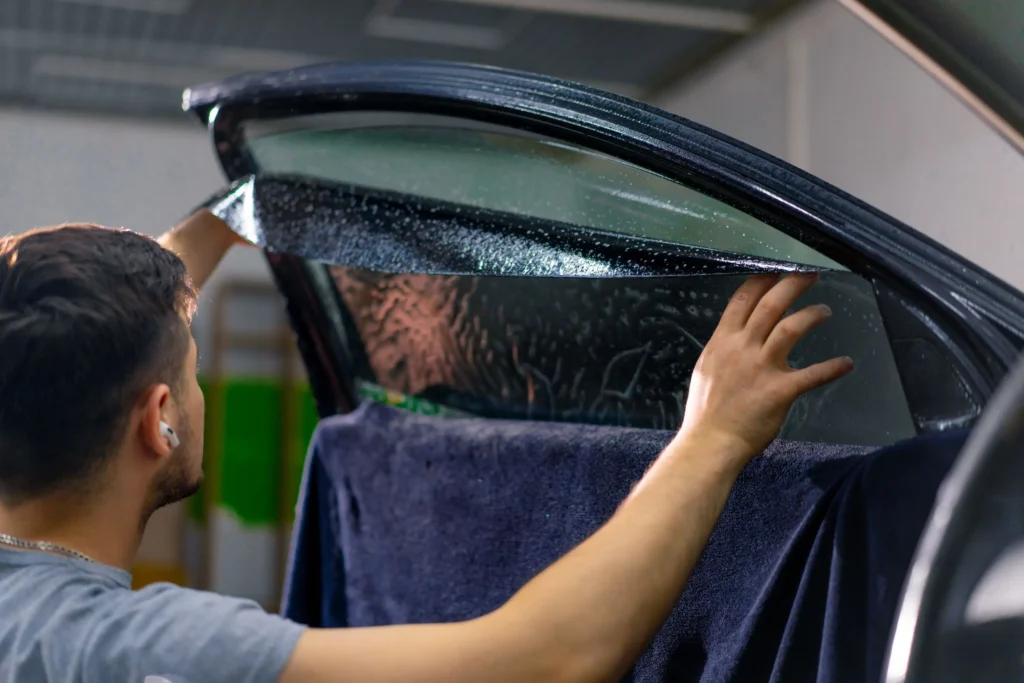
Window tint and paint protection film address two completely different types of damage. Tint protects what is inside the vehicle, while PPF protects what is outside. When used together, they create full coverage protection rather than isolated benefits.
Combining the two results in:
- Interior protection from heat and UV damage
- Exterior protection from chips, scratches, and wear
- Reduced overall aging of the vehicle
- Less need for cosmetic repairs or paint correction
This combination works as a system. Heat reduction from tint also reduces stress on interior adhesives and materials, while PPF preserves paint quality that would otherwise degrade from daily driving.
How This Combination Preserves Paint Condition and Resale Value
Vehicle resale value is heavily influenced by condition. Buyers and dealerships look closely at paint quality, panel consistency, and interior wear. Chips, faded paint, cracked dashboards, and worn trim all reduce perceived value.
Vehicles protected with both tint and PPF often show:
- Cleaner paint with fewer visible defects
- Better panel consistency across high impact areas
- Interiors with less fading and cracking
- Reduced need for repainting or refinishing
Because paint correction and interior restoration are costly, preventing damage in the first place helps retain value over time. This is especially important for newer vehicles, luxury models, and performance cars where condition plays a major role in resale pricing.
Why 3M Window Tint and PPF Are Commonly Paired
Many installers pair 3M window tint with 3M paint protection film because the materials are engineered to work together over long periods. Optical clarity, durability, and material consistency help ensure the vehicle maintains a uniform appearance.
Using compatible materials also helps avoid mismatched finishes or uneven aging between protected and unprotected areas. The goal is protection that remains effective without drawing attention to itself.
When to Apply Window Tint and PPF for Best Results
Timing matters when combining these protections. Both tint and PPF are best applied early in a vehicle’s life, ideally before exposure to damage.
Best practice typically includes:
- Applying PPF first to protect fresh paint
- Installing window tint once exterior protection is complete
- Avoiding delays that allow chips or scratches to develop
Early installation minimizes the need for paint correction and ensures both products perform as intended from the start.
Choosing a Professional Installation Matters
Proper installation plays a major role in how well tint and PPF perform. Poor alignment, contamination, or improper curing can reduce effectiveness and appearance.
Vehicle owners looking for long term protection often rely on professional vehicle protection services that understand how to combine these products correctly without overlap issues or premature wear.
If you are considering combining tint and paint protection film for your vehicle, you can explore vehicle protection services to see how a complete protection setup can be tailored to your car.
For personalized recommendations based on your vehicle type, driving conditions, and goals, you can book a protection consultation to discuss the right approach for preserving your vehicle’s condition and value.